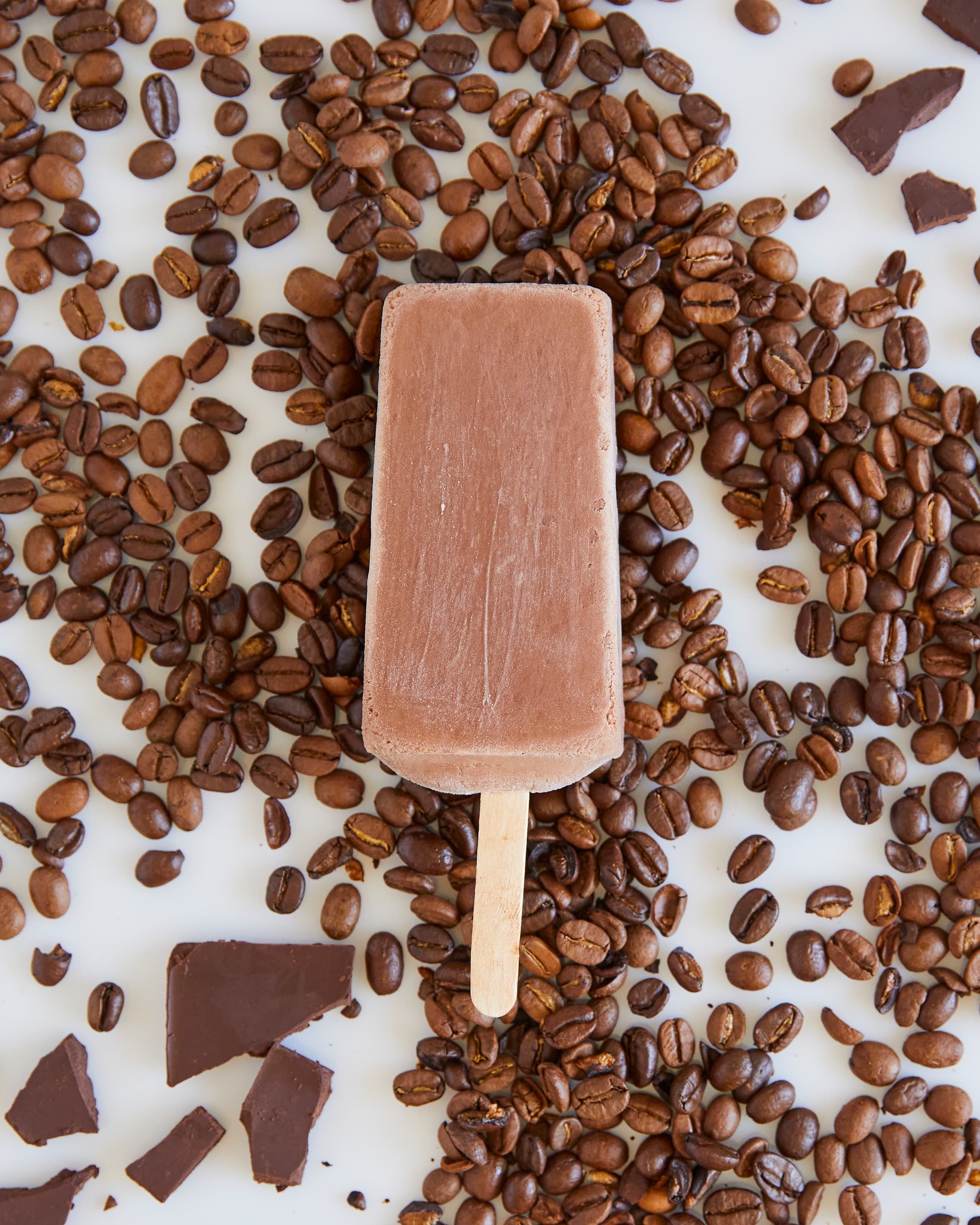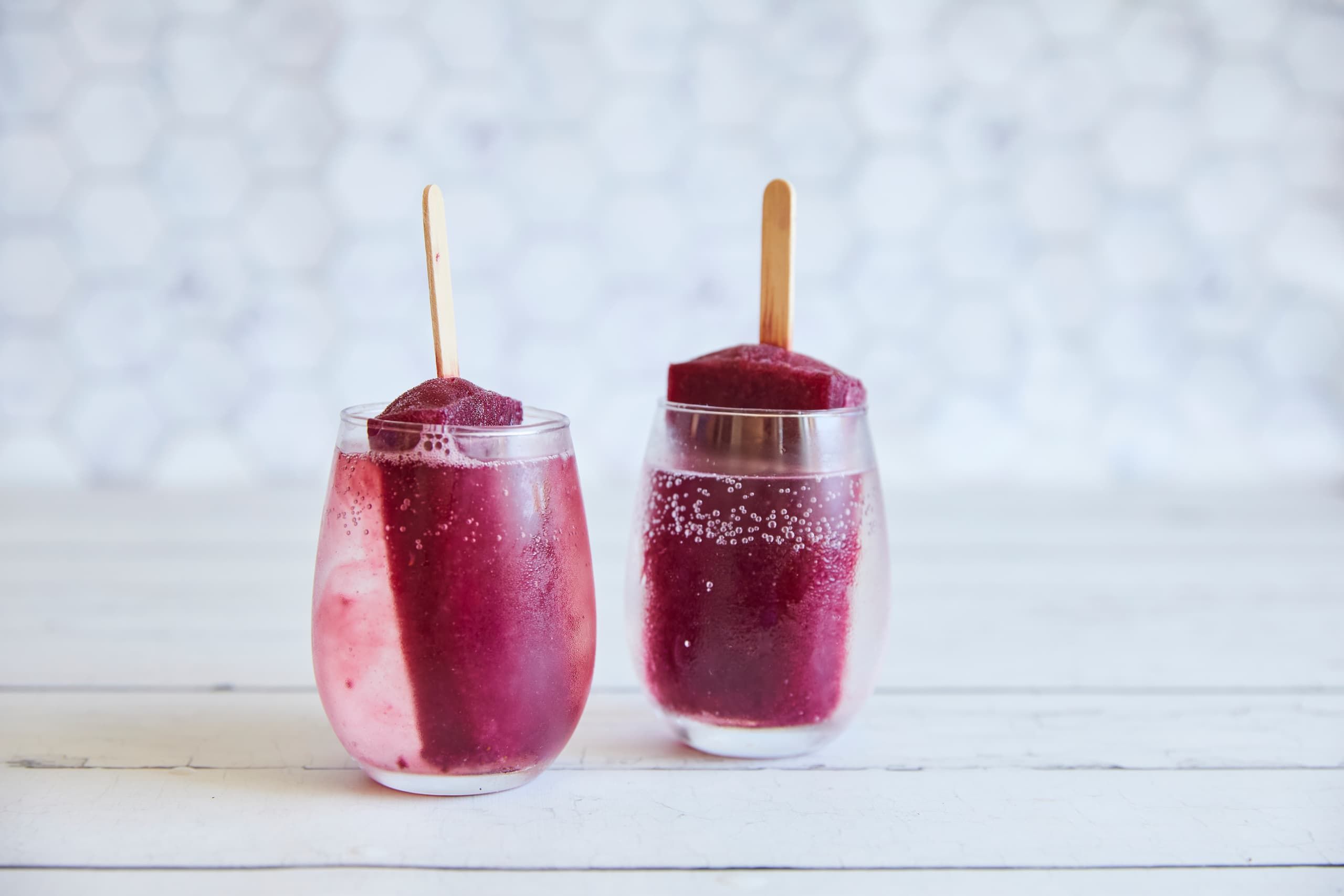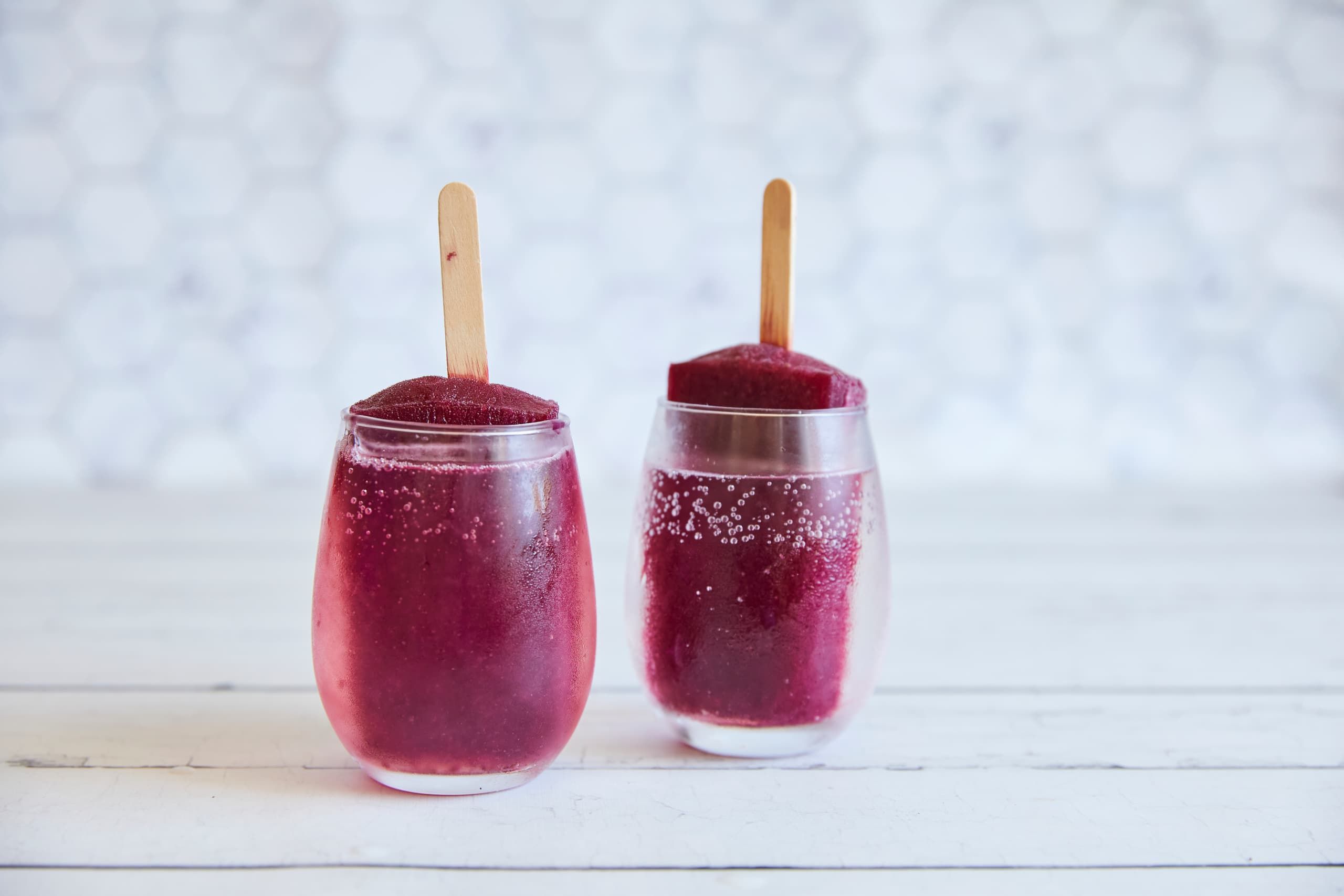

short answer: in a frozen dessert, raw honey scores about 30% lower on glycemic load than cane sugar at the same level of perceived sweetness, freezes softer, and brings 200+ trace compounds with it. that's why our pops use it.
01 · the short answer
a popsicle is mostly water. the sweetener is what does the work — it lowers the freezing point so the pop doesn't crystallize into a cube of ice, and it carries the flavor of whatever fruit is in the mix. you can do that with cane sugar. you can also do it with honey. the two don't behave the same.
02 · what's in honey that's not in sugar
cane sugar is sucrose. one molecule. that's the whole list. raw honey, depending on the floral source, tests for somewhere between 180 and 250 distinct compounds — fructose, glucose, gluconic acid, traces of b-vitamins, amino acids, antioxidants like pinocembrin, and a long tail of pollen-borne enzymes. the short version: honey is a food. sucrose is an ingredient.
“honey is a food. sucrose is an ingredient.”
03 · glycemic load: 30% lower
we sent both formulations out to a third-party lab in tampa in march 2024. same fruit, same water content, calibrated to identical sweetness on the brix scale. the honey version came back with a glycemic load of 7.2 per pop. the cane-sugar version: 10.4. that gap is why our pops cause a flatter blood sugar curve — the same reason a serving of plain fruit doesn't spike you the way a soda does.
04 · why we use less honey, not more
raw honey reads sweeter than cane sugar — about 1.3x, gram for gram. when we reformulate from a sugar-based recipe, we don't sub 1:1. we sub 0.7:1 and the pop tastes the same, with fewer total carbohydrates and a noticeably softer freeze. worth saying out loud: that softer freeze is also why a honey pop melts a little faster on a hot day. we think that's a feature.
24 pops, 6 honey-sweetened flavors.